
Coaching
The feedback wasaccurate. Nobody toldyou what to do.
One-to-one work for professionals at a transition. Private, specific, and built around the conversations you are actually having — or avoiding.
Who this is for
Newly promoted managers
You were excellent at the work. Now the work is other people, and nobody explained the difference.
Senior professionals with a ceiling
The technical judgement is not in question. Something about how you are read in the room is.
Founders and business owners
You are the person who has to hold the difficult conversation, and there is no one above you to model it.
Anyone with a recurring note in feedback
The same phrase keeps appearing in your reviews. You have heard it three times and still do not know what to do differently on Tuesday.
What we work on
Named behaviours, not aspirations.
- Explaining the point three timesSaying it once, structured
- Avoiding the difficult conversationHaving it early and well
- Reacting to pressureChoosing the response
- Promoted and solving everything aloneDelegating with accountability
- Competent, but overlooked in the roomRead as credible in four minutes
- Compliance treated as paperworkConduct people actually understand
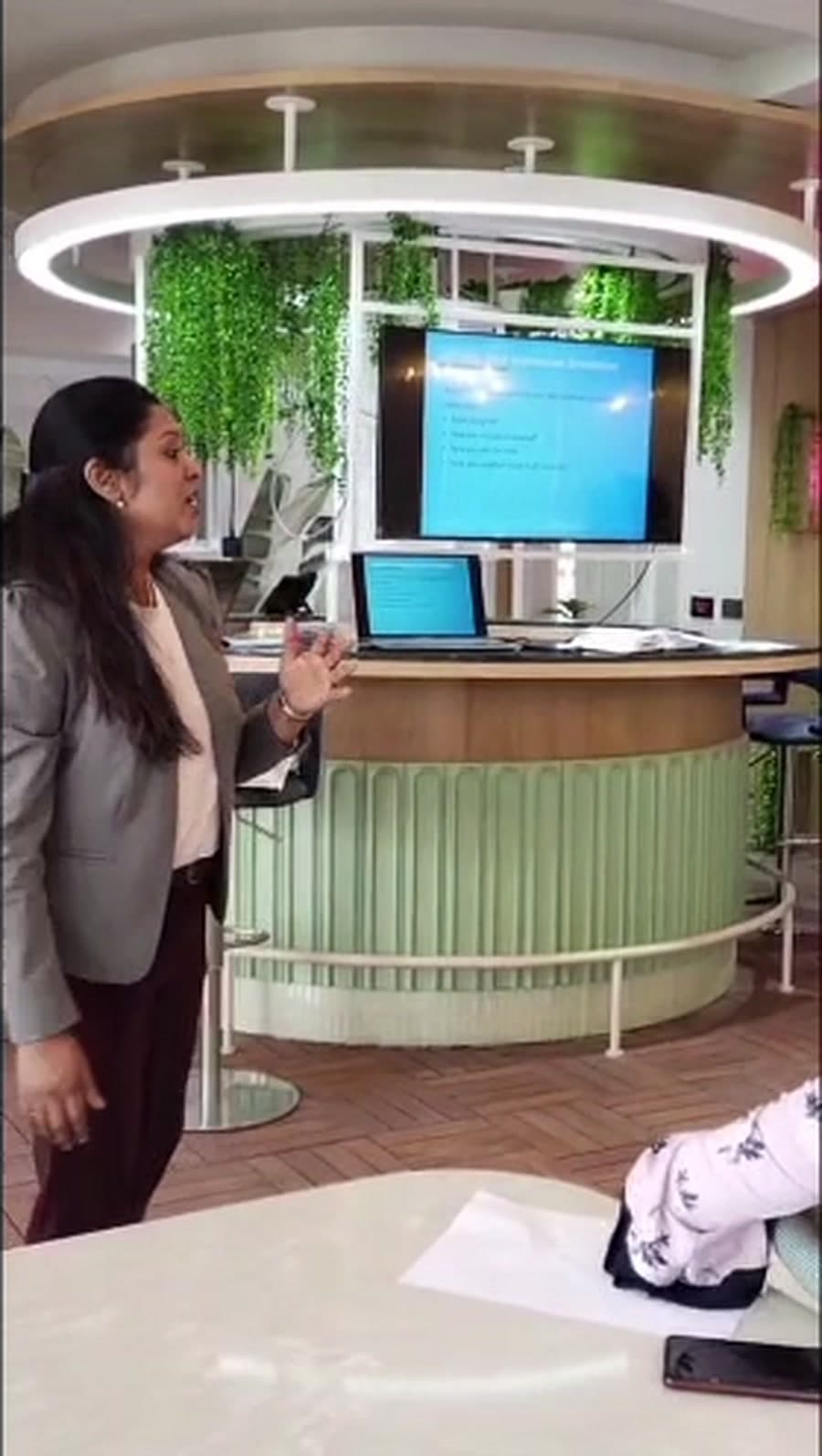
How it runs
- 01
A first conversation
Free, and genuinely diagnostic. What you want to be different, what has already been tried, and whether coaching is even the right instrument.
- 02
A working focus
One or two behaviours, named specifically. Not "improve communication" — "stop conceding the point when a senior person pushes back".
- 03
Sessions with practice in them
You rehearse the real conversation, get direct feedback, and adjust. Between sessions you apply it and bring back what happened.
- 04
A point where you stop
Coaching has an end. The goal is that the behaviour holds without the session in the calendar.
Coaching
Start with the thingyou keep not saying.
The first conversation is free and deliberately diagnostic. If coaching is not the right instrument, I will say so.